After the Detergent Is Gone: Giving a Laundry Bottle a Second Purpose
EPHYON considers a second use for laundry packaging through its patented watering-can container and private-label development, with the whole journey in view.
The final dose of laundry detergent leaves something behind: an empty container with a handle and a useful shape. Its contents are finished, but the packaging may have more to offer. For a brand developing its next laundry product, that moment deserves attention alongside the way the bottle looks on a shelf.
Buyers already consider filling, transport, display and dispensing. Extending that conversation to what happens after the detergent is gone brings another design question into view: could the container remain useful, rather than immediately becoming something the customer has to discard?
Starting before the recycling bin
Recycling depends on collection, sorting and processing. The OECD estimated that only 9% of global plastic waste was ultimately recycled in 2019, after processing losses. This historical, worldwide figure does not describe the fate of an individual laundry bottle. It does show why a packaging brief should look beyond an assumed trip to a recycling plant. [3]
The US Environmental Protection Agency includes maintaining plastic products and reusing or repurposing containers among ways to reduce waste. For a laundry brand, a useful second purpose can give customers a reason to keep a pack after its first job is finished. [1]
That purpose needs to make sense in daily life. A recognisable form and clear instructions help people understand it. An idea that is awkward to use, difficult to store or quickly forgotten is unlikely to extend a container’s actual useful life.
Three routes, with different responsibilities
Recycling turns discarded material into new material or products. Refilling keeps a container in service for another supply of its intended contents. Repurposing gives the existing container a different job. Each route requires different packaging decisions and different actions from customers.
UNEP’s 2023 Turning off the Tap analysis treats reuse, recycling and changes to products and materials as complementary routes. A container with a second household use still needs a sensible end-of-life route when that use eventually ends. [2]
Returnable packaging is another operating model. An Ellen MacArthur Foundation study identifies shared infrastructure, standardisation and high return rates as important conditions. A pack kept at home for a different task should be described as such, without implying that a return-and-refill system already exists. [4]
Looking at the whole journey
A longer-lasting container has to be used. Additional material, cleaning, transport and eventual disposal also belong in the assessment. For a second-use design, a useful question is whether customers will use it instead of buying another item, and for how long.
A 2025 University of Michigan life-cycle study found that operating scale affected the environmental and cost outcomes of reusable takeaway-container systems. It concerned foodservice containers, not this laundry pack. Its relevance here is the need to assess actual operating conditions. [5]
For brand buyers exploring lower-carbon packaging choices, a proposed second use is therefore a starting point for evaluation. It is not a measured carbon saving. Product-specific claims need evidence covering the actual container and the way it is used.
A watering-can design for laundry packaging
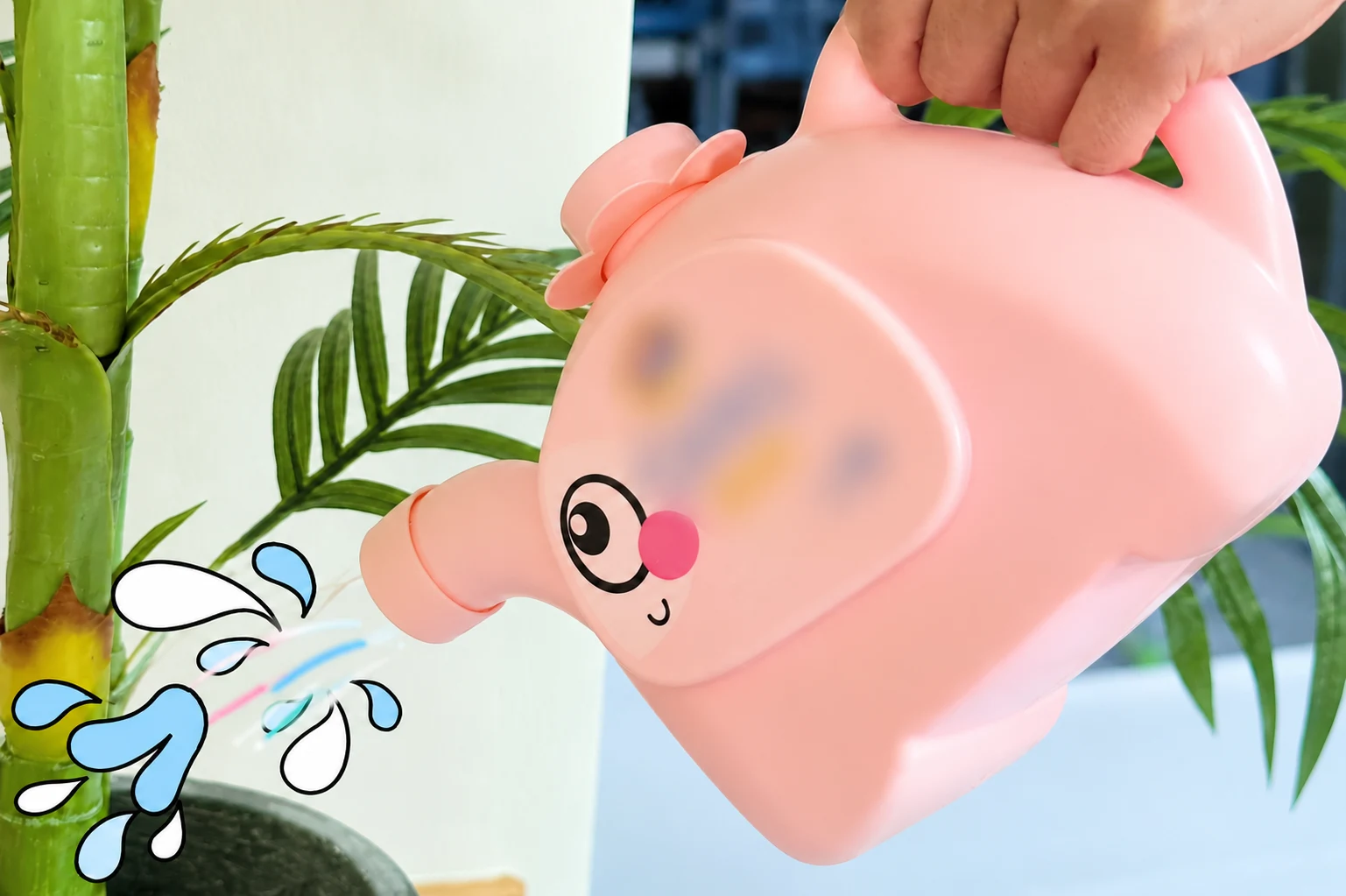
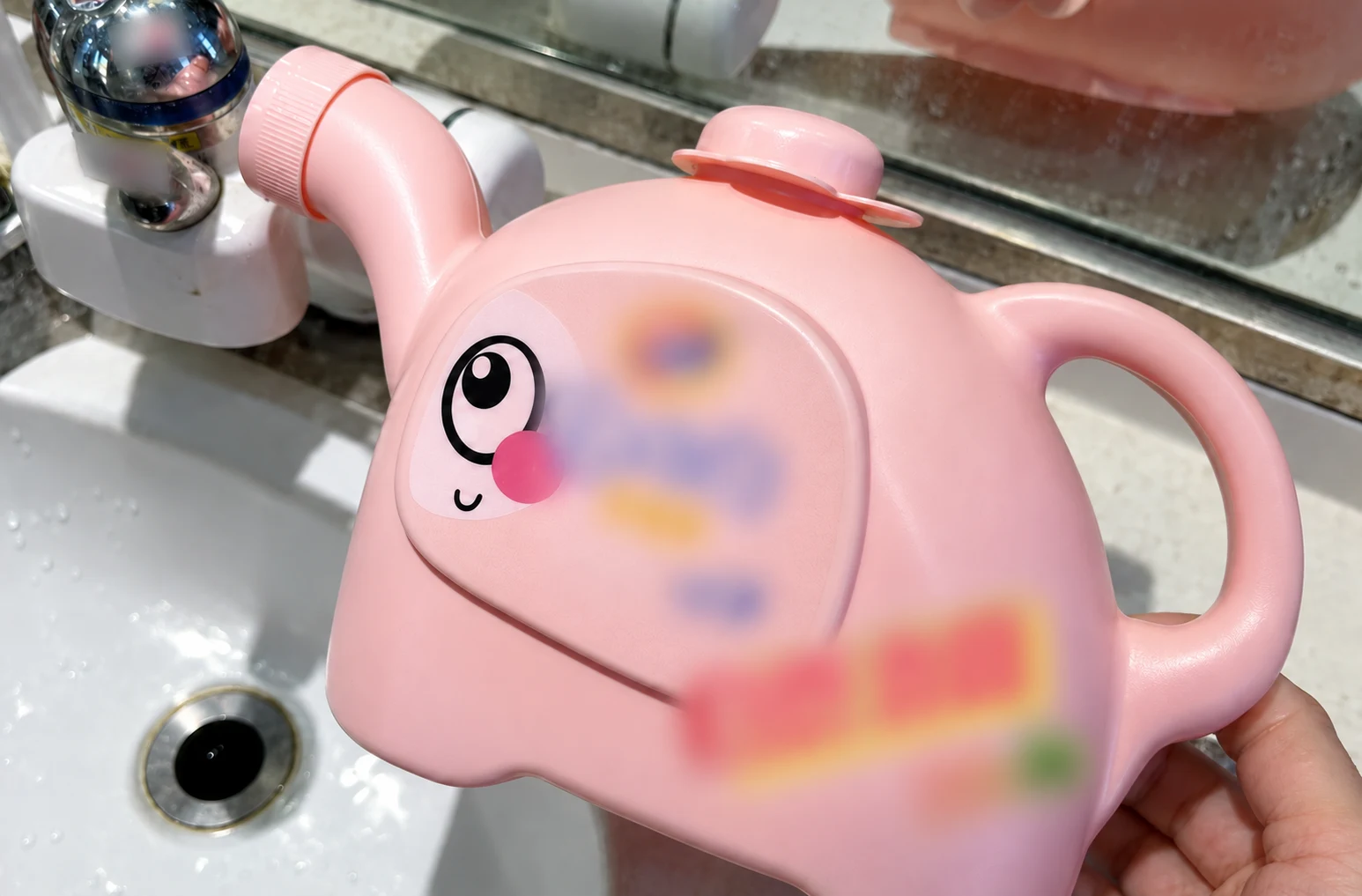
Our patented watering-can container brings this thinking into laundry detergent packaging. Its handle and spout connect the pack with a later household task: watering ornamental plants. The design makes continued usefulness part of the packaging conversation, rather than leaving customers to invent a purpose for an anonymous empty bottle.
Repurposing follows use of the detergent and appropriate cleaning in accordance with the product instructions. The container should be intact and suitable for the intended task.
Developing the private-label brief
The container is available for private-label projects. An international brand can consider the detergent and its pack together: how the product is filled and dispensed, how the container is held and stored, and how a possible second purpose is explained in the customer’s language.
The OEM discussion can begin with the intended laundry product, target market and customer routine. From there, the team can review the container format, label presentation and instructions, alongside filling and dispensing requirements. Specifications and supply arrangements are agreed for the project.
Product imagery can explain the form. It cannot establish carbon savings or how many separate items the container will replace. The immediate opportunity is a concrete packaging direction that buyers can evaluate in their own product programme.
A question to ask early
EPHYON welcomes a conversation about this patented container and the wider private-label laundry packaging brief. Giving an empty pack another useful role begins with a simple question, asked early in development: what could customers want to keep using after the detergent is gone?
Sources
- What You Can Do to Reduce Plastic Waste — US Environmental Protection Agency
- UN roadmap outlines solutions to cut global plastic pollution — United Nations Environment Programme
- Global Plastics Outlook: Economic Drivers, Environmental Impacts and Policy Options — Organisation for Economic Co-operation and Development
- Unlocking a reuse revolution: scaling returnable packaging — Ellen MacArthur Foundation, with Systemiq and Eunomia
- Scaling up reusable container systems through city-wide centralized collection and washing — University of Michigan Center for Sustainable Systems; Christian Hitt, Gregory A. Keoleian, Rahim Rasool